
What we offer
Our Treatments
Veneers, implants, whitening, and aesthetic treatments — and everything in between. European-standard care, tailored to you.
Dentistry

Emergency Dentistry
Immediate care for toothaches, broken teeth, lost fillings, and dental infections — same-day appointments available.
Dental emergencies can arise without warning and often cause significant pain or functional impairment that requires prompt clinical attention. Common emergency presentations include acute toothache from pulp infection or an abscess, a fractured or avulsed tooth resulting from trauma, a lost filling or crown leaving a sensitive or sharp tooth surface exposed, and soft tissue injuries to the gums or oral mucosa. Without timely treatment, dental infections can spread rapidly and become medically serious, making early intervention important not only for pain relief but for overall health.
The Procedure
On arrival, the affected tooth and surrounding tissues are assessed clinically and, where indicated, with a targeted X-ray to determine the extent and nature of the problem. For acute infection, the priority is drainage and pain relief: this may involve opening the tooth to decompress an abscess, prescribing antibiotics where systemic spread is evident, or extracting a tooth that cannot be saved. A fractured tooth is assessed for restorability — minor fractures may be repaired with composite material at the same appointment, while more extensive damage may require endodontic treatment and a crown. Lost restorations are replaced with a temporary or definitive material depending on the clinical situation. A knocked-out permanent tooth has the best prognosis when reimplanted as quickly as possible; patients are advised to keep the tooth moist and attend immediately.
Recovery and Results
Recovery depends on the nature of the emergency and the treatment required. Pain and swelling from an abscess typically subside within twenty-four to forty-eight hours of drainage and antibiotic therapy. Temporary restorations are replaced with definitive ones at a follow-up appointment once the acute situation has resolved.
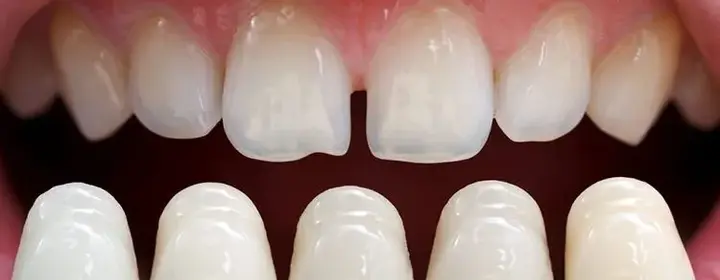
Porcelain Veneers
Ultra-thin porcelain shells that cover chips, discolouration, and gaps for a transformed smile — with minimal removal of natural tooth structure.
Porcelain veneers are ultra-thin ceramic shells bonded to the front surfaces of teeth to correct a wide range of aesthetic concerns. They are an established option for patients who have chips, cracks, permanent discolouration, uneven spacing, or minor misalignment that does not require orthodontic correction. Because the shells are fabricated from dental porcelain, they closely replicate the translucency and reflective quality of natural enamel, producing results that are difficult to distinguish from unrestored teeth.
The Procedure
Treatment begins with a consultation to assess tooth structure, bite alignment, and overall oral health — veneers are only suitable where the underlying teeth are sound. A small, precise amount of enamel is removed from each tooth to create space for the shell without adding bulk; this step is minimal compared to crown preparation. Impressions or digital scans are then sent to a dental laboratory, where each veneer is custom-fabricated to an agreed shade and shape. Temporary veneers protect the prepared teeth in the interim. At the fitting appointment, each shell is checked for fit and colour before being permanently bonded with dental adhesive and cured with light.
Recovery and Results
There is no meaningful recovery period. Some patients notice mild sensitivity to temperature in the days following preparation, which resolves quickly. The final veneers are resistant to surface staining from coffee, tea, and tobacco, though the cement margins can darken over time. With attentive oral hygiene and regular professional cleaning, porcelain veneers routinely remain in good condition for ten to fifteen years before replacement becomes necessary.
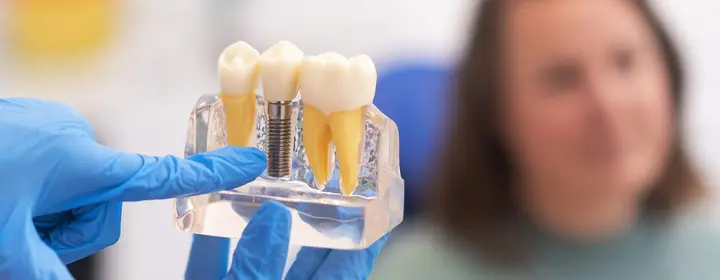
Implantology
Permanently replace missing teeth with titanium implants that look, feel, and function like your own — for a single tooth, several, or a complete arch.
Dental implants are the current clinical standard for replacing missing teeth. A titanium post is placed directly into the jawbone, where it integrates with the surrounding bone over a period of weeks, creating a stable foundation that functions like a natural tooth root. Implants are suitable for patients who have lost a single tooth, multiple teeth, or an entire arch, and who have sufficient bone density to support the implant. They eliminate the instability associated with removable dentures and avoid the need to alter adjacent healthy teeth, as a conventional bridge would require.
The Procedure
Before implant placement, a thorough assessment is carried out using X-rays and, where necessary, cone-beam CT imaging to evaluate bone volume and the position of anatomical structures. If bone grafting is required to build up the implant site, this is completed first and allowed to heal before the implant is placed. The implant itself is inserted under local anaesthetic in a precise surgical procedure that typically takes under an hour per implant. An abutment — a small connector component — is attached once the implant has integrated with the bone. The final crown, bridge, or prosthesis is then fitted to the abutment.
Recovery and Results
Mild swelling and tenderness around the surgical site are normal in the first few days and are managed with standard analgesics and cold compresses. Most patients resume ordinary activity within two to three days. The full osseointegration period ranges from six weeks to several months depending on individual healing and bone quality. When properly cared for, implants can remain functional for decades and, in many cases, for the patient's lifetime.

Orthodontics
Fixed and removable braces to straighten teeth and correct misaligned bites — improving both your oral health and the appearance of your smile.
Orthodontic treatment uses fixed or removable appliances to move teeth into correct alignment and to correct discrepancies in how the upper and lower jaws meet. Beyond the aesthetic improvement of a straighter smile, properly aligned teeth are easier to clean, reducing the risk of decay and periodontal disease. Misaligned bites can also contribute to uneven wear, jaw joint discomfort, and difficulty chewing, all of which orthodontic treatment can address. Treatment is available for both adolescents and adults.
The Procedure
The treatment process begins with a comprehensive assessment, including clinical examination, photographs, and radiographs, to diagnose the precise nature and degree of misalignment. Fixed braces — brackets bonded to the teeth and connected by an archwire — apply continuous, controlled forces that gradually move teeth over the course of treatment. Removable aligners are a further option for certain types of misalignment; they are changed periodically as tooth movement progresses. Adjustment appointments are scheduled at regular intervals, typically every four to eight weeks, to monitor progress and modify the appliance. In cases where jaw discrepancy is the primary issue, orthodontic treatment may be combined with oral surgical intervention.
Recovery and Results
Patients commonly experience mild soreness for a few days after each adjustment appointment as teeth respond to the changed forces. This discomfort is temporary and manageable. Treatment duration varies from several months to a few years depending on the complexity of the case. On completion, retainers are prescribed to maintain the corrected positions while the surrounding bone stabilises; consistent retainer wear is essential for preserving the result long term.
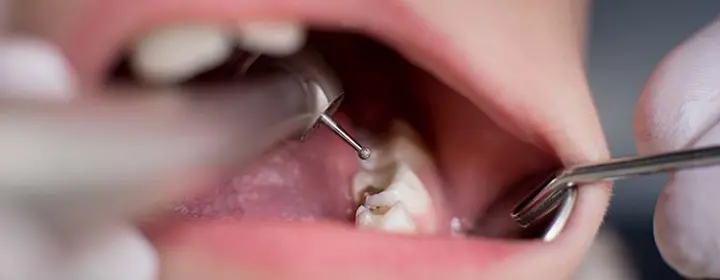
Restorative Dentistry
Composite fillings shade-matched to your natural teeth repair cavities and fractures so cleanly they're virtually invisible — no metal, no compromise.
Restorative dentistry addresses tooth decay, fractures, and structural damage to return teeth to full function and a natural appearance. Composite resin — a tooth-coloured, polymer-based material — is the primary restorative material used, suitable for both anterior and posterior teeth. It is shade-matched to the surrounding enamel with precision, so the completed restoration blends with the natural tooth. Unlike older metal amalgam fillings, composite requires less removal of healthy tooth structure because it bonds directly to the tooth, and it carries none of the aesthetic concerns associated with metal restorations.
The Procedure
The dentist first removes all decayed or compromised tooth material, leaving a clean and structurally sound preparation. The cavity is etched and a bonding agent is applied to ensure adhesion between the tooth and the composite. The material is then placed in small increments, each layer shaped and cured with a focused light source before the next is applied. This layering technique allows accurate reproduction of tooth anatomy and ensures adequate polymerisation throughout the restoration. Once the cavity is fully restored, the bite is checked and any high spots are adjusted, after which the surface is polished to a smooth finish that mirrors natural enamel.
Recovery and Results
Most patients notice no discomfort following a composite restoration. Some may experience mild sensitivity to cold temperatures in the first few days, which resolves without intervention as the tooth settles. Composite restorations are subject to some degree of staining over time, particularly with frequent consumption of coffee, tea, red wine, or tobacco, and surface polishing can refresh their appearance at routine appointments. With good oral hygiene, composite fillings routinely remain intact for seven to ten years.
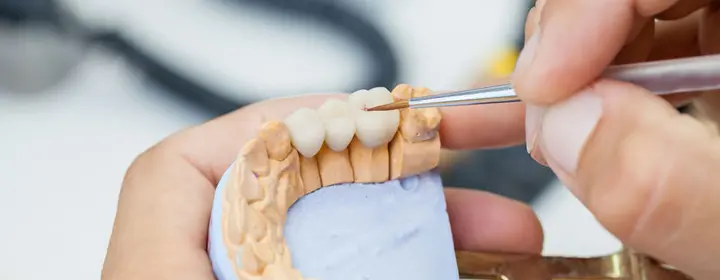
Dental Prosthetics
Crowns, bridges, and dentures crafted to restore damaged teeth and replace missing ones — functional, durable, and indistinguishable from natural teeth.
Dental prosthetics restore the function and appearance of teeth that have been significantly damaged or lost. Crowns, bridges, and dentures each address a different clinical situation, and the selection of the appropriate restoration depends on the number of missing teeth, the condition of remaining natural teeth, bone support, and the patient's overall oral health. Modern dental materials — including zirconia and high-quality dental porcelain — allow restorations to be fabricated that are functionally durable and visually consistent with natural dentition.
The Procedure
A crown is an individual cap placed over a prepared natural tooth or an implant abutment to restore its shape, strength, and appearance. Preparation involves reshaping the tooth to receive the crown, after which an impression is taken and the crown fabricated in a laboratory. A bridge spans a gap created by one or more missing teeth; it is anchored to the adjacent natural teeth or implants on either side, which are prepared and crowned to support the artificial tooth in the middle. Dentures — either partial or complete — are removable prostheses that replace multiple missing teeth and rest on the gum tissue or, in the case of implant-retained dentures, attach to implants for improved stability. Each type of restoration requires several appointments across the fitting process.
Recovery and Results
An adjustment period is normal following the placement of any prosthesis. Crowns and bridges typically require only a brief settling-in time, after which patients adapt quickly. Dentures, particularly complete dentures, require a longer period of acclimatisation as the oral muscles adjust to the new appliance. With routine oral hygiene and regular professional review, crowns and bridges can remain in good condition for ten years or longer.
Oral Surgery
From routine extractions to complex wisdom tooth removal, gum surgery, and jaw corrections — all carried out under local anaesthetic for a comfortable experience.
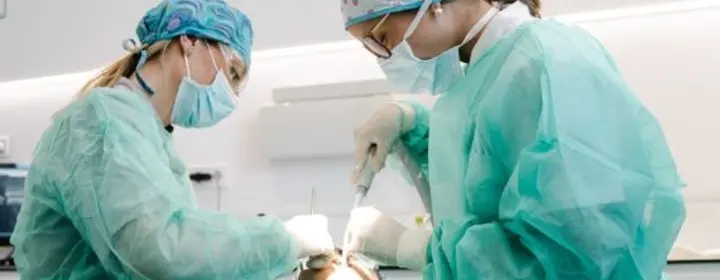
Oral surgery encompasses a range of surgical procedures carried out in the mouth and jaw, from straightforward tooth extractions to more complex interventions involving the gums, bone, or jaw joints. Common indications include the removal of teeth that cannot be restored by other means, the extraction of impacted wisdom teeth causing pain or recurrent infection, and periodontal surgery to address advanced gum disease that has not responded to non-surgical treatment. All procedures are performed under local anaesthetic to ensure patient comfort throughout.
The Procedure
Before any surgical intervention, a detailed clinical and radiographic assessment is completed to plan the procedure accurately and anticipate any anatomical considerations. For a straightforward extraction, the tooth is loosened with instruments and removed with minimal disturbance to the surrounding tissue. Impacted wisdom teeth, particularly those lying horizontally or partially erupted, require a more involved approach: the overlying gum is gently reflected, bone around the tooth may need to be removed, and the tooth may be sectioned before extraction. Periodontal surgery involves reshaping the gum and bone architecture to eliminate deep infection and create an environment more accessible to daily cleaning. The surgical site is sutured at the end of the procedure.
Recovery and Results
Some swelling, bruising, and tenderness are expected in the days following oral surgery, particularly for more involved extractions. Cold compresses applied in the first twenty-four hours help reduce swelling, and analgesics manage discomfort effectively. Patients are advised to eat soft foods, avoid smoking, and refrain from vigorous rinsing immediately after the procedure to allow the socket to heal undisturbed. Most patients return to normal activity within a few days to one week.
Endodontics
Modern treatment that comfortably clears infection from the dental pulp, relieves acute pain, and preserves teeth that might otherwise need removing.
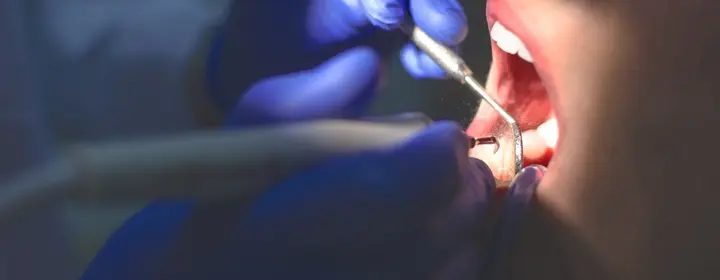
Endodontic treatment — commonly known as root canal treatment — addresses infection or irreversible inflammation within the dental pulp, the soft tissue that occupies the centre of a tooth. Pulp infection typically arises from deep decay, a cracked tooth, or repeated dental procedures on the same tooth. Left untreated, the infection spreads to the surrounding bone, leading to abscess formation and, ultimately, tooth loss. Root canal treatment removes the infected tissue, disinfects the canals, and seals the tooth, allowing it to remain functional in the mouth for many years.
The Procedure
The tooth is isolated with a rubber dam to maintain a sterile field, and local anaesthetic is administered so the procedure is comfortable. An access opening is made through the crown of the tooth to reach the pulp chamber. Specialised instruments are used to remove the pulp tissue and shape the root canals, which are then irrigated thoroughly with antimicrobial solutions. Once the canals are clean and dry, they are filled with a biocompatible material and sealed. Because endodontically treated teeth can become more brittle over time, a crown is usually recommended to protect the tooth following treatment.
Recovery and Results
The tooth and surrounding gum may feel tender for a few days after treatment as the periapical tissues settle. This is normal and can be managed with over-the-counter analgesics. The treated tooth remains in place and functions like a natural tooth, allowing patients to bite and chew without restriction. Clinical success rates for root canal treatment are high; the majority of treated teeth remain in service for many years when the restoration and oral hygiene are maintained.

Children and Preventive Dentistry
Patient, child-friendly care designed to make every visit a positive experience — establishing healthy habits early and catching problems before they grow.
Children's dentistry focuses on the oral health of patients from the appearance of the first deciduous teeth through to adolescence. Primary teeth are not merely placeholders — they are essential for normal speech development, nutrition, and the correct guidance of permanent teeth into their proper positions. Early, regular dental visits also establish familiarity with the clinical environment, which reduces anxiety and creates the foundation for a lifetime of consistent dental attendance. Preventive care — professional cleaning, fluoride application, and dietary guidance — runs alongside any treatment required and remains a priority at every appointment.
The Procedure
Appointments for young patients are structured to be calm, unhurried, and age-appropriate. The dentist examines the teeth and gums, checks the eruption pattern of developing teeth, and assesses the bite. Professional cleaning removes plaque and early tartar deposits from surfaces that brushing misses. Fluoride varnish is applied to strengthen enamel and reduce the risk of decay — a particularly important measure during the years when dietary habits tend toward high sugar intake. Fissure sealants, thin protective coatings applied to the deep grooves of newly erupted permanent molars, provide an additional barrier against cavity formation. Where treatment of decay is required, it is carried out gently with local anaesthetic as appropriate, taking care to preserve as much natural tooth structure as possible.
Recovery and Results
Preventive appointments require no recovery time. When treatment is required, children typically recover quickly, and any tenderness following a local anaesthetic procedure is brief. The benefit of early preventive care is cumulative: children who attend regularly are significantly less likely to develop extensive decay, require complex treatment, or carry dental anxiety into adulthood.
Plaque Removal and Scaling
A professional clean every six months to remove tartar and surface stains — protecting your gums, preventing decay, and keeping your smile bright between visits.
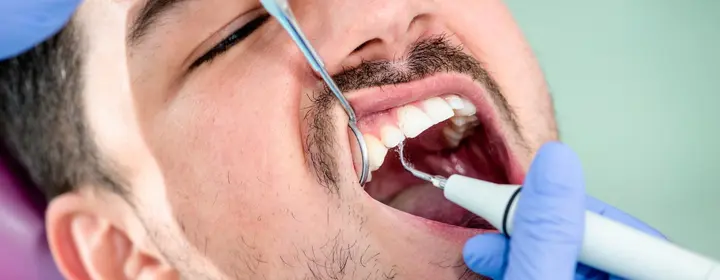
Professional plaque removal and scaling is the cornerstone of preventive dental care. Even with thorough daily brushing and flossing, calculus — mineralised plaque — accumulates on tooth surfaces over time, particularly in areas that are difficult to access with a toothbrush. Calculus cannot be removed by home cleaning alone; it requires professional instrumentation. Left undisturbed, calculus harbours bacteria that irritate and inflame the gum tissue, eventually leading to periodontal disease with progressive bone loss around the teeth. A professional clean at six-monthly intervals prevents this accumulation and preserves the health of both gums and bone.
The Procedure
The clinician uses a combination of ultrasonic scaling instruments and fine hand instruments to remove calculus deposits from all tooth surfaces, including the areas just below the gum margin where build-up is common. The ultrasonic scaler vibrates at a frequency that dislodges calculus efficiently while an integrated water spray flushes away debris and keeps the area clean. Hand instruments are then used to refine the surfaces, ensuring they are smooth and free of residual deposits. Air polishing or a rubber-cup polish with a mild abrasive paste is used at the end of the appointment to remove surface staining from coffee, tea, red wine, and tobacco, leaving the enamel smooth and visibly cleaner.
Recovery and Results
There is no recovery period associated with a routine professional clean. Patients with gum inflammation may notice that their gums bleed slightly during the procedure and in the first day or two afterward; this resolves as the tissue heals. Some patients experience temporary sensitivity to cold following scaling, particularly where calculus was present below the gum margin. Regular six-monthly attendance significantly reduces the risk of decay, gum disease, and the need for more complex treatment over time.
Teeth Whitening
Brighten your smile by several shades with professional-grade whitening — safe, fast, and carried out under clinical supervision.
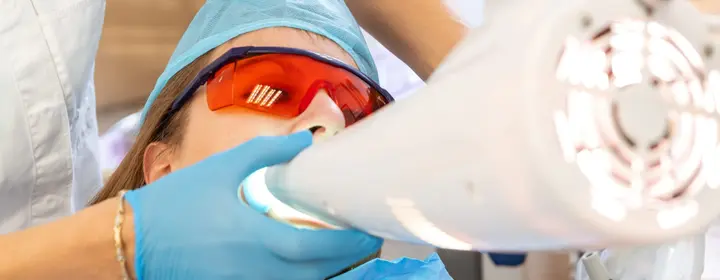
Professional teeth whitening is a clinically supervised procedure that lightens intrinsic tooth discolouration — staining that originates within the enamel and dentine rather than on the tooth surface. This type of discolouration develops gradually from a variety of causes, including ageing, prolonged consumption of chromogenic foods and beverages such as coffee, tea, and red wine, tobacco use, and in some cases the administration of certain antibiotics during tooth development. Professional whitening uses peroxide-based agents at concentrations that are not available in over-the-counter products, producing more reliable and more pronounced results under clinical control.
The Procedure
Before whitening, an oral examination is carried out to confirm that the teeth and gums are in good health and that the expected result is realistic — whitening agents act on natural tooth structure and will not alter the shade of existing crowns, veneers, or composite restorations. A shade assessment is recorded before treatment as a reference point. For in-clinic whitening, the gums are protected with a barrier material and the whitening gel is applied directly to the teeth. The gel is activated and may be refreshed in cycles across a single appointment. An alternative protocol provides custom-fitted whitening trays and a take-home gel for use over a series of days; results are comparable, though they develop more gradually.
Recovery and Results
Tooth sensitivity during and after whitening is the most frequently reported side effect. It is temporary, typically resolving within twenty-four to forty-eight hours of completing treatment. Patients are advised to avoid strongly coloured foods and beverages in the days immediately following whitening. The degree of lightening achieved varies between individuals depending on the original tooth shade and the nature of the discolouration. Results are not permanent — periodic maintenance whitening extends and preserves the outcome.
Aesthetics
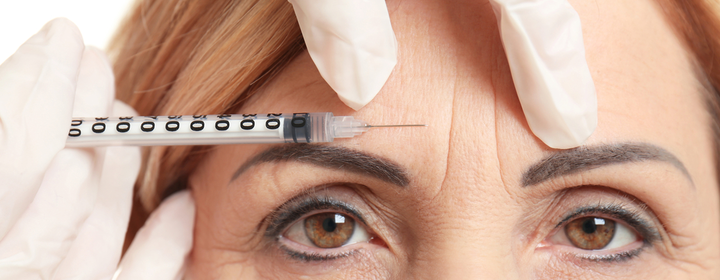
Botox
Smooth fine lines and wrinkles with targeted botulinum toxin injections — a fast, non-surgical treatment with natural-looking results.
Botulinum toxin type A — marketed under the trade name Botox — is a purified protein that temporarily reduces the activity of targeted facial muscles. When injected in small, precise doses into specific sites, it softens the overlying skin by limiting the repetitive contractions that cause dynamic wrinkles to develop and deepen over time. The treatment is most commonly used in the upper face: the glabellar lines between the brows, horizontal forehead lines, and the periorbital lines known as crow's feet. It is also used in the lower face and neck for selected indications. The procedure is non-surgical, requires no anaesthesia, and carries a well-established safety profile when administered by a trained practitioner.
The Procedure
A detailed facial assessment is carried out before treatment to map the relevant muscles and agree on the target areas and degree of correction. The injections are administered with a very fine needle directly into the muscle at multiple points across each treatment zone. The number of units used is calibrated to the individual's muscle mass and movement pattern. The procedure takes around fifteen to thirty minutes in total, and no recovery time is required afterward. Patients are advised to remain upright for a few hours after the appointment and to avoid vigorous exercise on the day of treatment.
Recovery and Results
The injection sites may appear slightly red or show minor swelling for a short time after treatment, but these signs resolve within hours. The full effect of botulinum toxin develops over five to fourteen days as the muscle relaxes progressively. Results typically last between three and four months, after which muscle activity gradually returns and treatment can be repeated. With consistent treatment over time, many patients find that the interval between appointments can be extended as the muscles become less active.
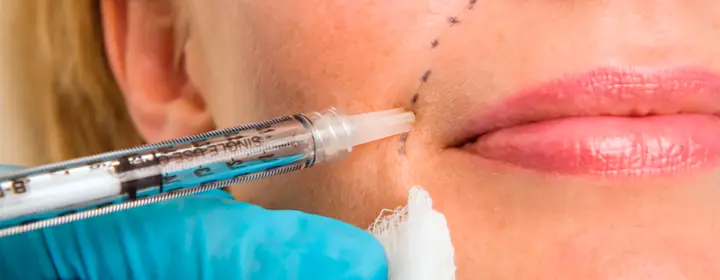
Dermal Fillers
Restore facial volume, soften deep lines, and enhance lips with hyaluronic acid fillers tailored to your natural anatomy.
Dermal fillers are injectable preparations used to restore volume that has been lost through the natural ageing process, to soften deep static lines and folds, and to add definition or volume to features such as the lips, cheeks, and jawline. The most widely used filler substances are based on hyaluronic acid, a polysaccharide that occurs naturally in connective tissue and is responsible in part for skin hydration and plumpness. Because hyaluronic acid fillers are biocompatible and reversible — an enzyme can be administered to dissolve the material if necessary — they carry a favourable safety profile and have become the standard of care for volume-based facial treatment.
The Procedure
Treatment begins with a facial assessment to identify the areas of volume loss or structural change and to discuss what the patient wishes to address. The approach is anatomically guided: the aim is to restore a natural resting state appropriate to the individual's facial structure, not to alter the fundamental appearance of the face. A topical anaesthetic cream is applied to the treatment area before injection to minimise discomfort. The filler is introduced through a fine needle or a blunt-tipped cannula, depending on the site being treated, and is moulded immediately after placement to achieve the desired distribution and contour. Lip augmentation, nasolabial folds, marionette lines, and cheek augmentation are among the most frequently treated areas.
Recovery and Results
Swelling, redness, and minor bruising at the injection sites are common in the first twenty-four to seventy-two hours and resolve on their own. The lips in particular tend to swell noticeably in the first day before settling to the final volume. Results are visible immediately, though the definitive outcome is best assessed after one to two weeks when swelling has fully subsided. The longevity of hyaluronic acid fillers varies by product and site, typically ranging from six to eighteen months before the material is gradually resorbed by the body.

SkinPen Microneedling
Stimulate collagen production and improve skin texture, tone, and scarring with SkinPen — the world's first FDA-cleared microneedling device.
SkinPen is a professional microneedling device that uses a controlled pattern of fine needles to create thousands of microscopic channels in the skin. This controlled mechanical injury triggers the body's natural wound-healing cascade, stimulating the production of collagen and elastin in the dermis over the weeks and months that follow. SkinPen is the first microneedling device to receive FDA clearance, and it carries an established evidence base for the treatment of acne scarring, enlarged pores, fine lines, uneven skin texture, and certain forms of hyperpigmentation. It is appropriate for a range of skin types and tones, and can be used on the face, neck, and décolletage.
The Procedure
Before treatment, a topical anaesthetic cream is applied to the skin and allowed to take effect for approximately thirty minutes, ensuring the procedure is comfortable. The SkinPen handpiece is passed systematically over the treatment area; the depth of needle penetration is adjusted to suit the specific indication and the region of the face being treated — delicate areas such as the skin around the eyes require a shallower setting than, for example, the cheeks or chin where acne scarring may be present. A hyaluronic acid serum is applied to the skin during the procedure to facilitate smooth movement of the device and to support the healing response. The full treatment takes approximately thirty to forty-five minutes.
Recovery and Results
Immediately after treatment the skin appears red, similar in quality to mild sunburn, and may feel warm and slightly sensitive to the touch. This reaction typically subsides within twenty-four to forty-eight hours. Sun exposure should be avoided in the days following treatment, and patients are advised to use a broad-spectrum sunscreen consistently. A course of three to six sessions, spaced four to six weeks apart, is generally recommended to achieve optimal results. Improvements in skin texture and tone become progressively apparent as collagen remodelling continues in the weeks following each session.